The Best Way to Plant a Tree: A Guide to Ensure Growth and Sustainability
Selecting the Right Tree and Spot
Planting a tree is more than digging a hole—it's about setting the stage for years of growth and beauty. Begin by choosing a species that fits your area's climate and soil conditions. Think ahead to the tree’s full-grown size to avoid conflicts with buildings, power lines, or other plants. Decide what you want from your tree, whether it’s shade, fruit, or visual appeal, to help narrow down the options.
Preparing the Site and Planting Properly
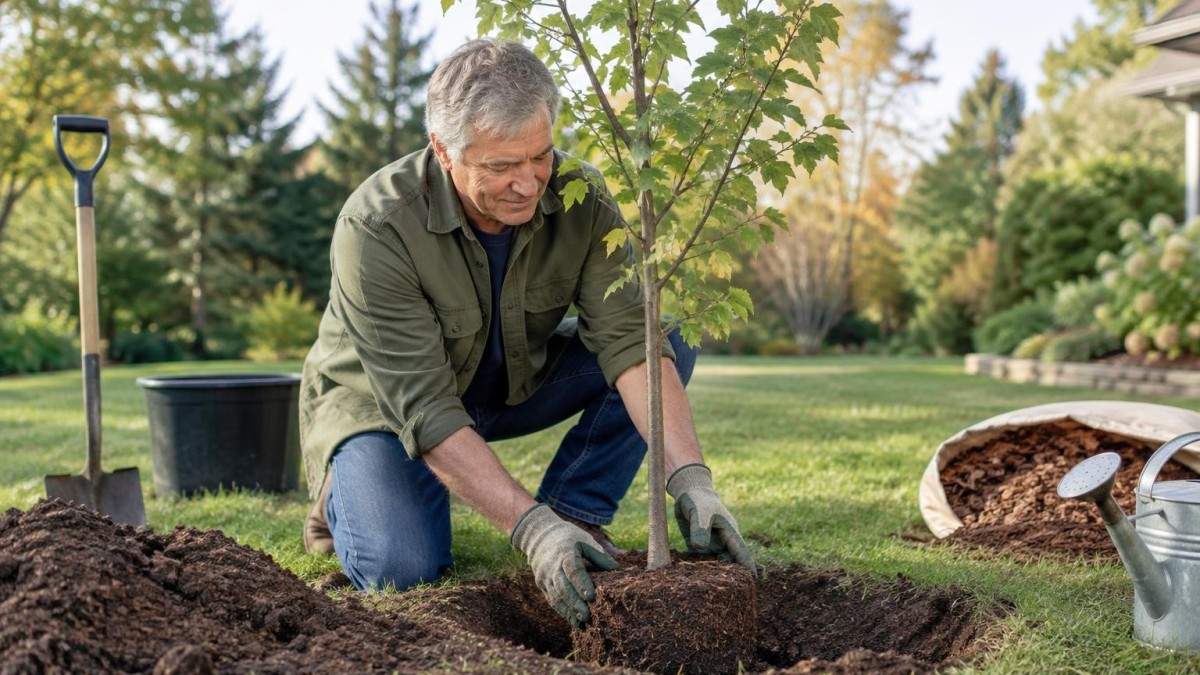
Timing your planting during late fall to early spring, when the tree is dormant, gives roots a head start before hot weather arrives. Clear away grass and debris, then dig a hole about twice as wide as the root ball but only as deep as the roots naturally sit to prevent settling. If soil is dense or clay-heavy, blend in compost or organic matter to enhance drainage and nutrients.
Handle your tree gently when removing it from its container to protect its roots. Make sure the root flare—the area where roots meet the trunk—is level with or just above ground level. Backfill carefully with original soil, pressing lightly to avoid air pockets, then water deeply. Mulch around the base with 2-4 inches of organic material, keeping it a few inches away from the trunk to avoid rot.
Consistent Care for Long-Term Success
After planting, maintaining your tree is key to its health. Water deeply and regularly, especially during dry periods, to keep roots well hydrated. Prune only to remove dead or damaged branches and to encourage a strong structure. Use fertilizer only if a soil test shows deficiencies, preventing excess nutrient buildup. Stay alert to signs of pests or disease and take action quickly to protect your tree.
By thoughtfully planting and caring for your trees, you’ll enjoy their shade, beauty, and environmental benefits for years to come.