Light vs. Dark Flooring: Which Is Right for Your Room?
How Flooring Color Shapes Your Room
Choosing between light and dark flooring can dramatically influence your room's look and feel. Light floors often brighten and visually expand smaller spaces by reflecting sunlight, while dark floors add sophistication and warmth, perfect for creating cozy, inviting atmospheres.
Benefits of Light and Dark Flooring
Light-colored flooring—like pale oak or cream tile—works well in compact or dim rooms by making them feel airy and spacious. It's versatile, complementing many styles from traditional to modern, and tends to hide dust and scratches better than dark, uniform surfaces.
Dark flooring options such as walnut or espresso-stained wood bring rich character and strong visual contrast. They emphasize architectural details and pair well with lighter furnishings, enhancing rooms where a dramatic or cozy vibe is desired. While hiding some stains, dark floors can show dust and pet hair more prominently depending on finish and texture.
Key Factors to Consider
Assess your room’s size and natural light when choosing floor color. Smaller, less-lit spaces usually benefit from lighter shades, but dark floors can still work well if balanced with ample lighting and pale walls.
Think about your existing furniture and décor. Flooring undertones should harmonize with cabinetry, countertops, and walls to prevent clashing colors.
Daily life impacts maintenance needs. Homes with kids or pets might favor floors with matte finishes and textured grains that help disguise wear and require less frequent cleaning.
Consider the climate and sun exposure too. While floor color alone has limited effect on temperature, UV exposure can alter flooring colors over time, so protective finishes or window treatments can help preserve appearance.
Test Before You Decide
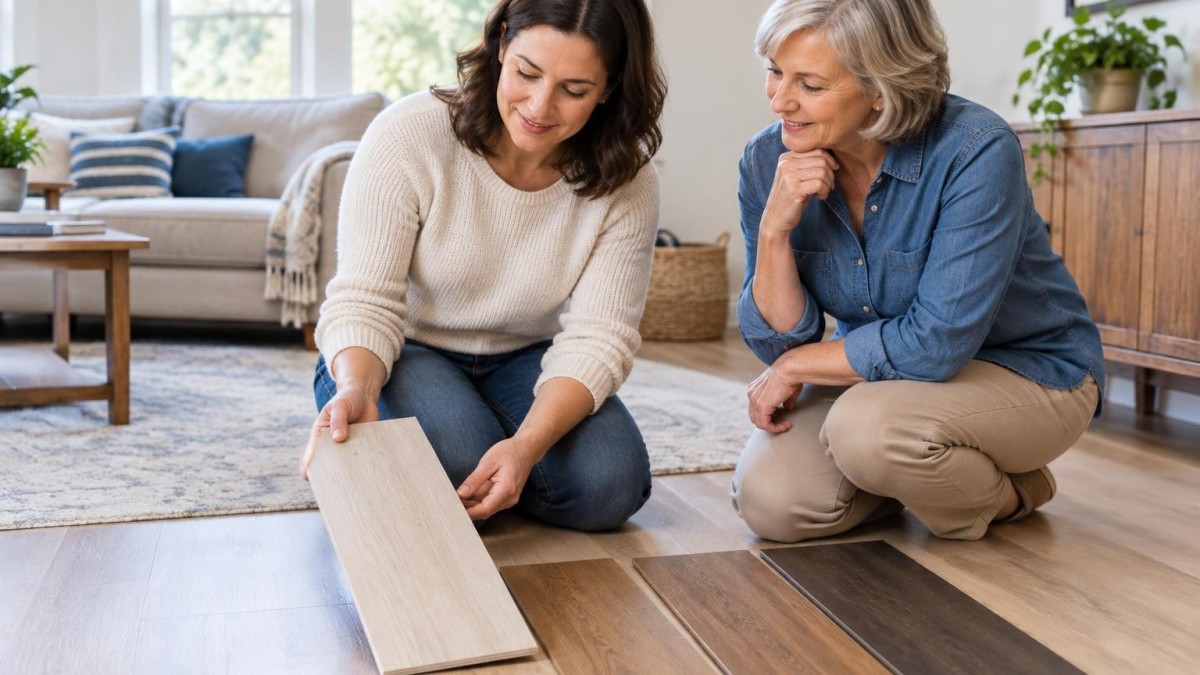
Since lighting greatly affects how floors look, bring samples home to view them in your space throughout the day. Compare them alongside your furniture, cabinets, and adjoining rooms to ensure cohesion.
Remember that finish, plank width, and texture also shape the final look and upkeep. Matte finishes tend to hide imperfections better than glossy ones, and natural wood grains can add character while masking everyday wear.
When in doubt, medium-tone floors can offer a balanced look, blending benefits of light and dark shades and adapting to evolving styles.
Ultimately, the best flooring is one that fits your personal style, complements your home's design, supports your lifestyle, and feels right underfoot for years to come.