Creating a Cohesive Flow in Your Home's Design
Start with a Harmonized Color Palette
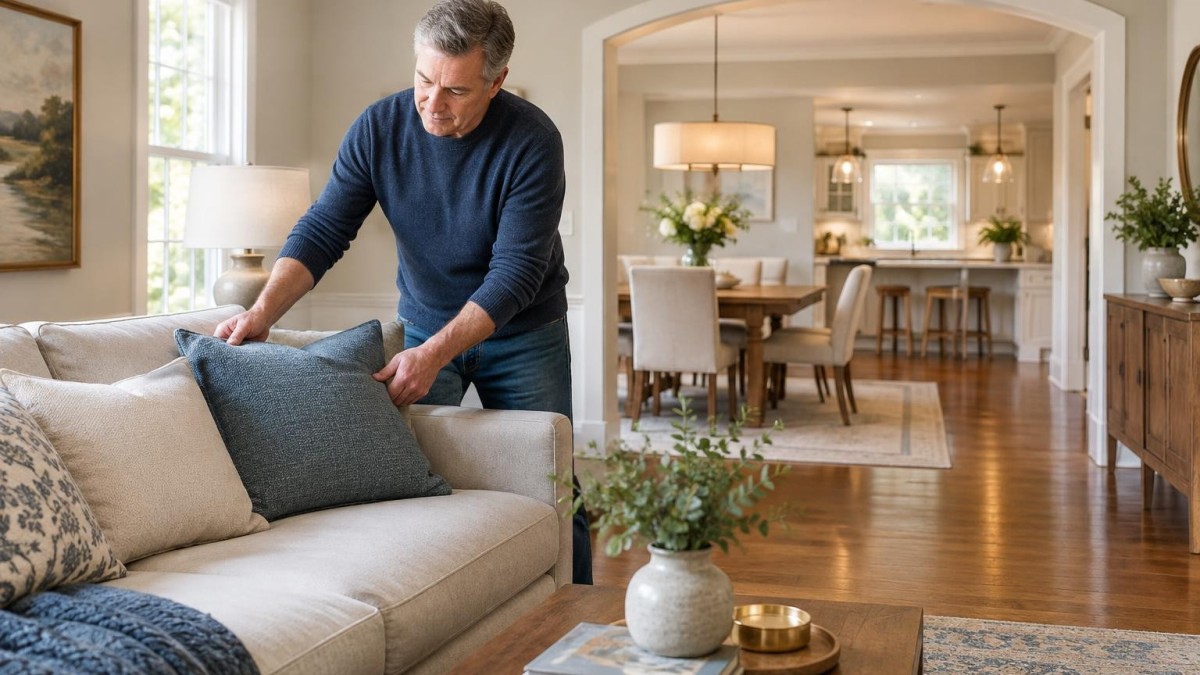
Creating a cohesive flow in your home begins with selecting a color palette that connects your rooms seamlessly. Whether you opt for varying shades of a single hue or complementary tones, maintaining color consistency visually links spaces, making your home feel unified and inviting.
Maintain Consistent Flooring
Flooring plays a vital role in guiding the eye and movement through your home. Using the same flooring material across adjacent rooms—such as hardwood, tile, or carpet—helps create a smooth transition. If you prefer a mix of materials, use transition strips or area rugs to soften the change so the flow feels intentional rather than abrupt.
Repeat Architectural and Design Details
Repeating features like moldings, trims, or wainscoting in multiple rooms acts as a visual thread linking spaces together. For instance, using the same crown molding style throughout your living areas, hallways, and bedrooms enhances continuity and improves the overall harmony of your home.
Thoughtful Furniture Arrangement
How furniture is arranged influences both comfort and movement. Designing clear pathways encourages natural traffic flow between rooms. Additionally, coordinating furniture styles and finishes can connect individual rooms into a unified whole, reinforcing your home's cohesive aesthetic.
Coordinate Decor and Accessories
Using decor elements that share colors, textures, or themes—such as matching window treatments, lighting fixtures, or accent pieces—helps tie rooms together. In open floor plans, repeating similar pendant lights or complementary accessories in connected areas like the kitchen and dining room strengthens their visual link.
Create Seamless Room Transitions
Design how spaces connect using open doorways, archways, or entry areas that echo your home’s overall style. These transitional elements gently guide the eye and movement, softening boundaries and boosting the feeling of continuity throughout your home.
Balance and Relate Focal Points
Each room should have a clear focal point, whether it's a fireplace, artwork, or signature furniture piece. Ensure these focal points complement each other by sharing hues, materials, or themes. This approach connects rooms while allowing each to keep its own character.
By thoughtfully combining colors, flooring, architectural details, furniture choices, and decor, you can create a balanced and inviting flow in your home. The result is a space that feels connected and comfortable, reflecting your personal style and making every room feel like part of a harmonious whole.