Signs that a Tree Needs to Be Removed
Spotting Structural Issues Early
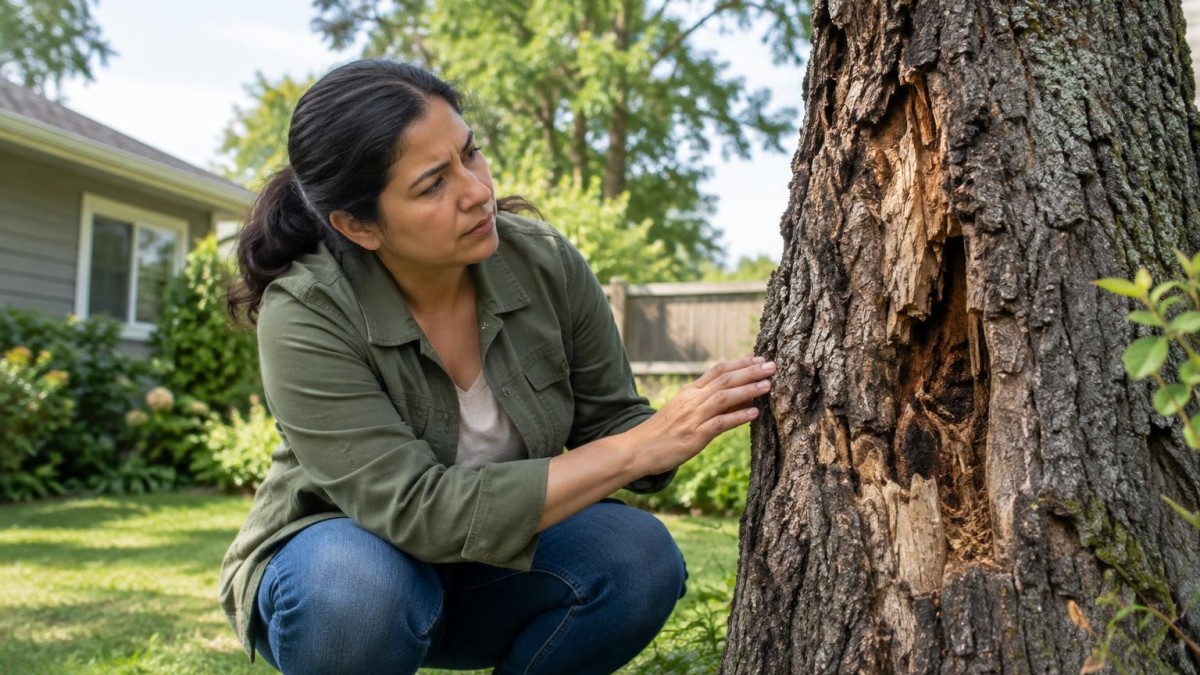
Trees enhance the look and feel of your property, but certain signs signal they may need to be removed. Watch for dead or large broken branches and visible decay on the trunk—these weaken a tree’s structure and increase the risk of falling unexpectedly, endangering nearby people and property. If you notice these issues, consulting a certified arborist can help determine if the tree is salvageable or should be removed.
Understanding Tree Lean and Stability
If a tree suddenly leans more than usual, it could indicate root damage or shifting soil. While some trees naturally grow at an angle, a new or increased tilt is a warning sign of potential collapse. Professional evaluation is important to assess the severity and whether removal is needed to avoid accidents.
Disease, Pests, and Tree Health Concerns
Illness and infestations can quickly turn a healthy tree into a hazard. Key symptoms include discolored or wilting leaves, fungal growths, or unusual bark patterns. Invasive pests, such as emerald ash borers, can severely weaken trees. Removing an affected tree often helps prevent spread to other plants and maintains overall landscape health.
Impact of Tree Placement Near Structures
Trees planted too close to buildings, sidewalks, or power lines can cause damage over time. Their roots might disturb foundations or underground pipes, while branches could threaten roofs or utilities. If a tree’s location creates safety or structural risks, removal is often the safest solution.
Overcrowding and Decline
Trees competing for light, water, and nutrients may become weak or stunted. Chronic problems like sparse leaves or little growth make them more prone to storm damage and breakage. Removing overcrowded or declining trees can improve the health and safety of surrounding plants and your landscape overall.
Maintaining a beautiful and safe outdoor space means balancing care with caution. Recognizing signs such as structural damage, abnormal leaning, disease, pests, problematic placement, or persistent decline will guide sound decisions about tree removal. Always work with a certified arborist to ensure safe, informed choices that protect your property without removing trees unnecessarily.