Natural Ways to Help Control High Blood Pressure
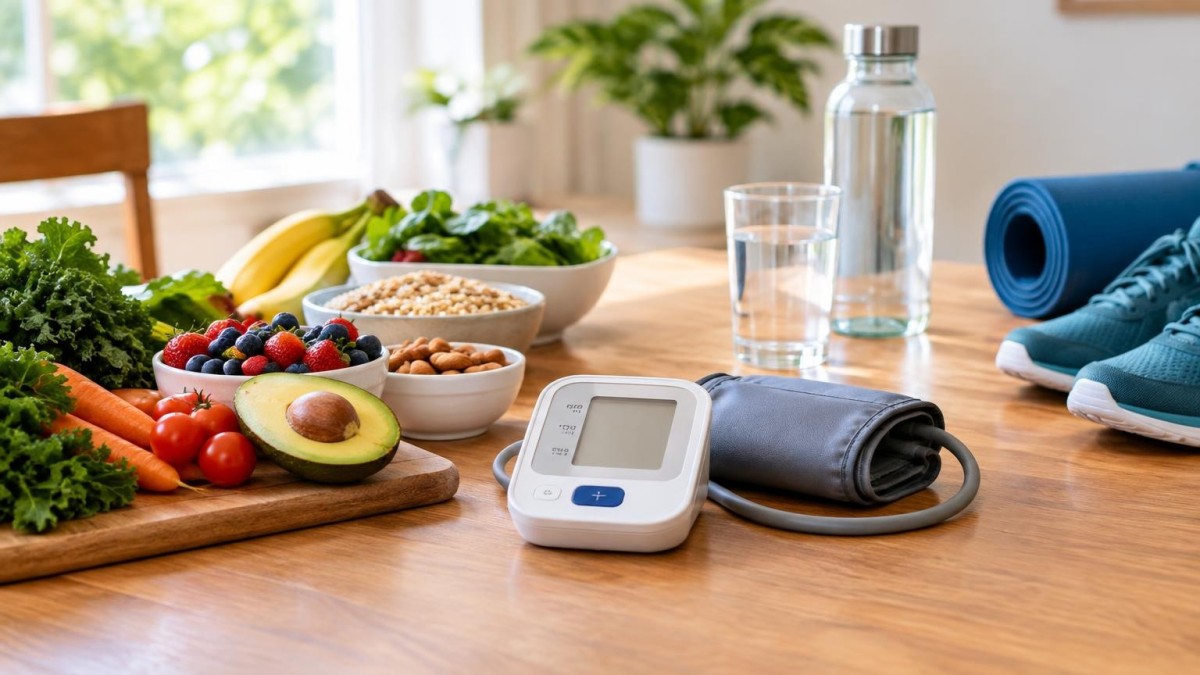
Understanding High Blood Pressure and Its Risks
High blood pressure, or hypertension, often shows no clear symptoms but can quietly harm your blood vessels and increase risks for heart disease, stroke, and kidney problems. Managing it well is essential to protect your overall health.
Adjust Your Diet for Better Blood Pressure
Eating patterns matter more than trendy "superfoods." The DASH diet, designed to help control blood pressure, focuses on plenty of vegetables, fruits, whole grains, lean proteins, and low-fat dairy while cutting back on sodium, unhealthy fats, and added sugars. Reducing sodium is key, especially from processed and restaurant foods. Keep sodium to under 2,300 mg daily, ideally closer to 1,500 mg for many adults with high blood pressure.
Potassium-rich foods like bananas, leafy greens, beans, and avocados can help balance sodium, but check with your doctor before increasing potassium if you have kidney or other health issues. Choosing whole, minimally processed foods helps lower sodium and boosts heart-healthy nutrients.
Maintain a Healthy Weight and Stay Active
Even modest weight loss—about 5% of your body weight—can improve blood pressure and overall health. Avoid fad diets; focus on sustainable habits like smaller portions, swapping sugary drinks for water, and adding daily movement. Aim for at least 150 minutes a week of moderate activities like brisk walking, cycling, swimming, or dancing. If you have health concerns, talk with your doctor before starting new exercise routines.
Manage Stress and Avoid Unhealthy Habits
Stress can temporarily raise blood pressure and lead to habits that worsen it, such as poor sleep or unhealthy eating. Try methods that work for you—deep breathing, meditation, yoga, or time outdoors—to help manage stress effectively. Limiting alcohol intake is also important, as drinking less can lower blood pressure and avoid interactions with medications.
Monitor Sleep, Caffeine, and Smoking
Good sleep supports heart health; most adults need 7–9 hours nightly. Notice signs of sleep disorders like snoring or daytime sleepiness and consult your doctor if present. While caffeine may temporarily raise blood pressure in some, moderate intake is generally fine—just avoid caffeine before measuring your blood pressure to get accurate readings. Quitting smoking and avoiding secondhand smoke are crucial for protecting your blood vessels and reducing cardiovascular risk.
Accurate Blood Pressure Monitoring at Home
Using a validated upper-arm cuff, sit quietly and follow proper steps to get reliable readings. Take multiple measurements at consistent times and record them to share with your healthcare provider. Know that normal blood pressure is below 120/80 mm Hg; higher readings warrant medical advice. If readings reach 180/120 mm Hg or higher, especially with symptoms like chest pain or difficulty speaking, seek emergency care.
Integrating Lifestyle and Medical Care
Healthy habits complement medical treatment. Some people may control blood pressure with lifestyle changes alone, while others need medication alongside these efforts. Never adjust prescribed medications without consulting your healthcare professional, even if your readings improve.
Start with manageable changes that fit your routine—cooking more at home, walking regularly, checking sodium content in foods, improving sleep habits, and measuring blood pressure properly. These steady, everyday choices build a stronger foundation for heart health and blood pressure control.