How to Minimize the Effects of Alcohol on Your Skin
Hydrate Smartly to Counter Alcohol's Drying Effects
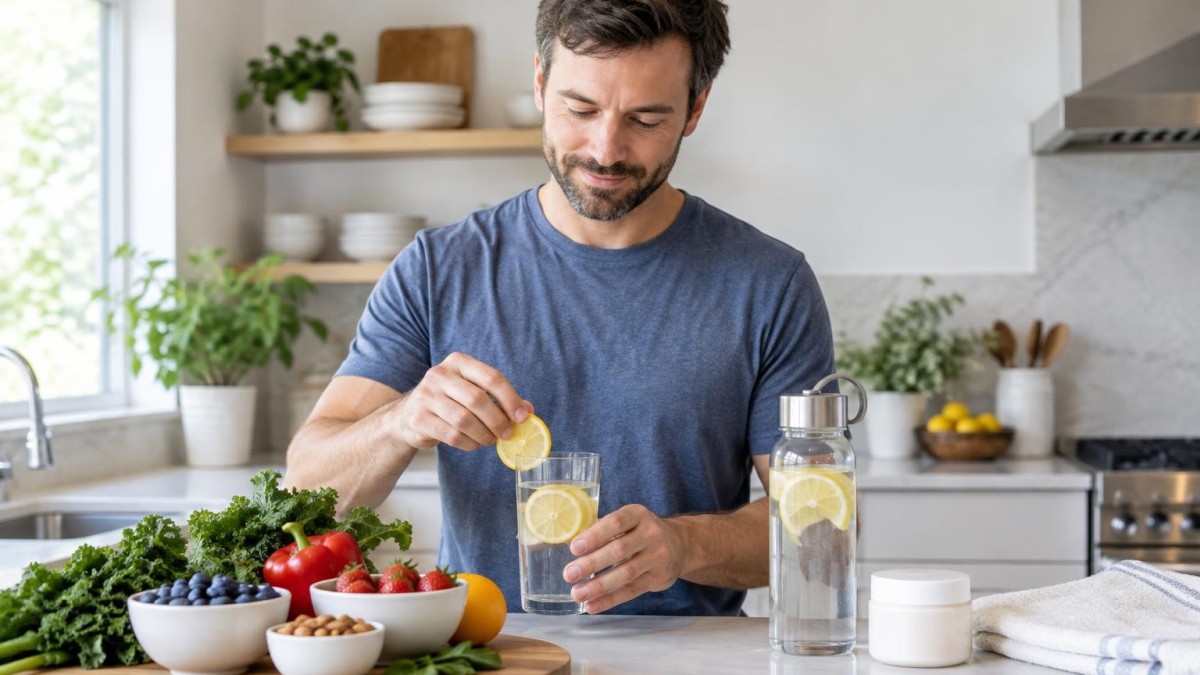
Alcohol acts as a diuretic, which can lead to dehydration and make your skin look dull and accentuate fine lines. To help combat this, drink water before, during, and after consuming alcohol. Alternating alcoholic drinks with water and having a glass before bedtime supports your skin’s hydration. Additionally, use a good moisturizer containing ingredients like hyaluronic acid or ceramides to help your skin retain moisture and maintain its protective barrier.
Choose Drinks Mindfully and Eat for Skin Health
Not all alcoholic beverages affect your skin equally. Red wine can cause flushing or worsen rosacea due to its histamine content, while clear spirits typically have fewer irritants but still impact skin through alcohol’s overall effects. Pay attention to how your skin reacts to different drinks to identify personal triggers.
Including antioxidant-rich foods in your diet, such as berries, leafy greens, bell peppers, nuts, and seeds, helps your skin fight oxidative stress caused by alcohol. Vitamin C is essential as it supports collagen production, crucial for skin firmness and repair.
Maintain Consistent Skincare, Sun Protection, Sleep, and Exercise
Keeping your skin clean by gently cleansing at night removes makeup, sunscreen, and impurities that can clog pores. Follow with a moisturizer tailored to your skin’s needs, avoiding harsh scrubs or strong acids if your skin feels sensitive or dry.
Daily sunscreen use is vital to protect against sun damage that worsens signs of aging. Even after drinking, remembering to reapply sunscreen especially outdoors helps maintain your skin’s health.
Alcohol can disrupt sleep quality, leading to tired and puffy skin. Aim for consistent sleep routines and avoid drinking close to bedtime to support your skin’s natural overnight repair processes.
Regular exercise improves circulation and delivers oxygen and nutrients to your skin, promoting a healthy complexion. While it doesn’t speed up alcohol metabolism, staying active contributes to your overall well-being and skin vitality. Pay attention to persistent redness or irritation and consult a healthcare professional if needed.
Caring for your skin when drinking alcohol involves a combination of hydration, mindful drinking, nutrition, protective skincare, sleep, and exercise. However, the most effective way to minimize alcohol's impact on your skin is to reduce consumption and observe how your skin responds to these changes.