How to Safely Clean Up Storm-Damaged Trees and Help Them Recover
Prioritize Safety During Cleanup
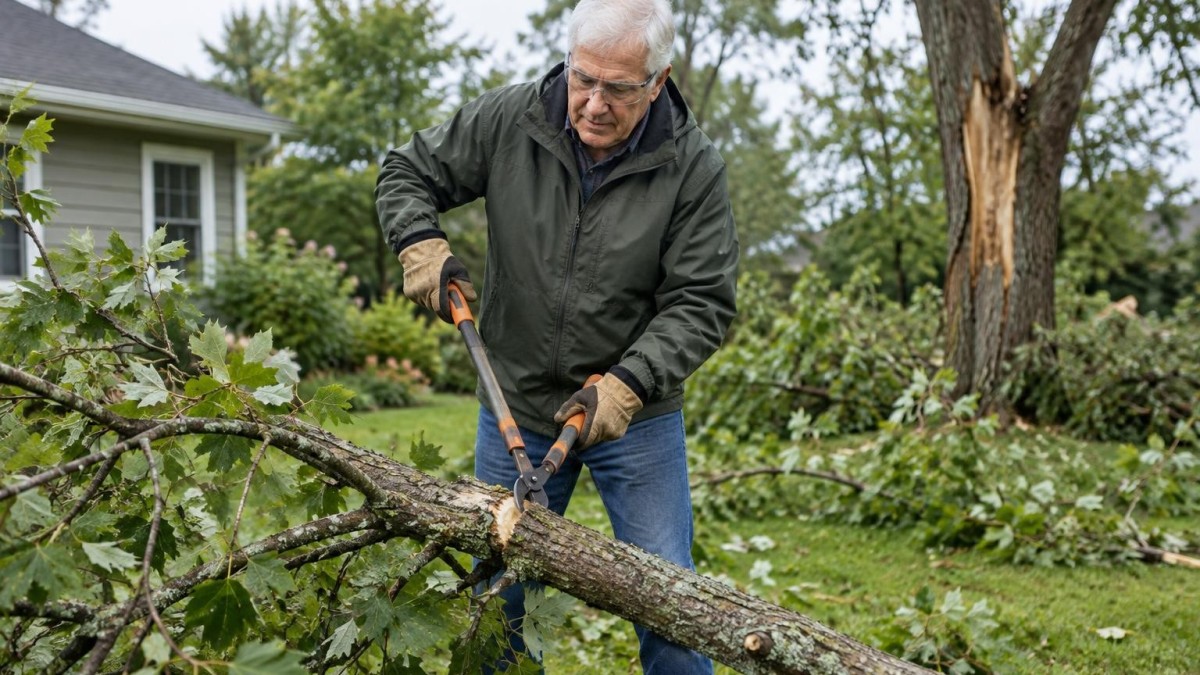
When storms strike, trees often bear the brunt of nature’s force, leaving behind broken branches, split trunks, or even uprooted trees. Before tackling any cleanup, it is crucial to check your property carefully for hazards like hanging limbs, leaning trees, or damaged power lines. Attempting to remove large branches or unstable trees yourself can be dangerous. Always use appropriate protective gear—gloves, safety glasses, sturdy shoes, and helmets. For complex or risky situations, such as trees near buildings or power lines, bring in certified arborists or professional tree services to ensure safety.
Evaluate and Treat the Damage Thoughtfully
Once it’s safe to proceed, inspect each tree’s condition. Note any broken or hanging branches, trunk splits, exposed roots, severe leaning, or bark loss. Not all damaged trees need to be removed; many can recover with proper care. Pruning broken branches properly is key—use clean, sharp tools to make cuts just outside the branch collar, avoiding stubs that invite pests or disease. Don’t over-prune, as it can further stress the tree. For trees with split trunks, seek expert advice—sometimes cabling or bracing can save the tree, but such measures require professional experience to avoid causing more harm.
Partially uprooted small trees might be rescued if addressed promptly. Trim damaged roots cleanly, reposition the tree carefully without planting it too deep, and water well. Provide temporary supports while the roots reestablish. Large uprooted trees generally need professional restoration or removal due to safety concerns.
Support Recovery and Monitor Health
After cleanup, give your trees the best chance to rebound by adding organic mulch around the base to retain moisture and regulate soil temperature. Keep mulch a few inches from the trunk to prevent rot. Regular deep watering during dry times supports root recovery. Watch for signs of stress such as thinning leaves, dead branches, unusual growth patterns, bark damage, fungal growth, or increased insect activity. Early detection of problems allows for timely intervention, helping maintain tree health.
Maintain Trees to Reduce Future Storm Risks
While storms can’t be stopped, ongoing tree maintenance strengthens resilience. Regular pruning to remove weak limbs, inspection for health issues, and proper care boost a tree’s ability to withstand storms, prolonging its life and value to your landscape.
By focusing on safety first and applying careful, informed practices, you can effectively clean up storm-damaged trees and foster their recovery. Your efforts help preserve the shade, beauty, and environmental benefits trees provide to your property and community.