The Easiest Way to Start Container Gardening: Planting in Soil Bags
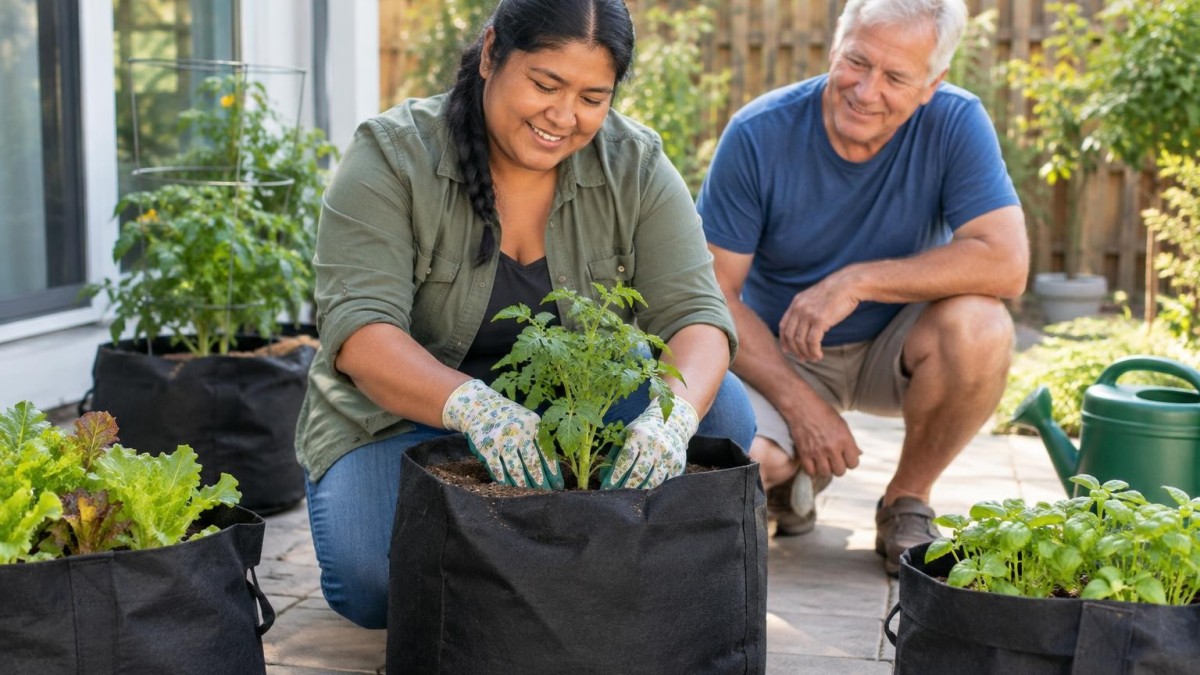
Why Choose Soil Bags for Container Gardening
Container gardening is a favorite among landscapers and garden enthusiasts because it adapts well to small spaces like patios, balconies, or tight corners in yards. One of the simplest ways to dive into container gardening is by planting directly in soil bags, which are both practical and user-friendly.
Soil bags bring together ease and efficiency. Lightweight and affordable, they make growing plants, vegetables, or herbs accessible for beginners and convenient for experienced gardeners looking to keep things simple.
Advantages of Growing in Soil Bags
One of the major benefits of soil bag gardening is cost-effectiveness. These bags are usually less expensive than traditional pots or raised beds and require no special equipment—so you can start planting without a hassle.
They are also highly portable, allowing you to move your plants to catch sunlight, shield them from harsh weather, or rearrange your garden with minimal effort. For those with limited space, or who live in apartments, this flexibility is a real game-changer. Plus, they can be folded flat and stored easily when not in use.
The bags are designed with small drainage holes and breathable fabric that prevents waterlogging and encourages healthy root growth. This setup helps reduce the risk of root diseases and supports strong plant development better than many standard containers.
Additionally, growing in contained soil inside these bags lowers the chance of weeds and common garden pests that typically appear in open ground gardening.
Getting Started with Your Soil Bag Garden
Start by picking durable, UV-resistant soil bags sized appropriately for your plants—smaller bags work for herbs and greens, larger ones suit veggies like tomatoes or peppers.
Use a quality, well-draining potting mix enriched with organic matter instead of ordinary garden soil, which can compact and hinder roots. Enhancing the mix with compost or perlite can improve moisture retention and nutrient availability.
Plant seeds or seedlings by making small openings on the bag’s surface. Water thoroughly but avoid overwatering; since these bags drain well, monitor moisture to keep plants comfortable, especially on hot days.
Position your soil bags where plants receive 8 to 10 hours of sunlight daily. Their portability allows you to follow the sun’s path or dodge inclement weather during the growing season.
Feed your plants regularly with organic fertilizers or compost tea, prune dead leaves, and keep a watchful eye for pest issues. Contained growing spaces make managing plant health straightforward and efficient.
With minimal maintenance and reusable materials, soil bag gardening is an eco-friendly, convenient solution for growing thriving gardens in limited spaces. Whether cultivating fresh herbs on a balcony or starting a compact vegetable plot, soil bags offer a practical, accessible approach to gardening success year-round.