A Comprehensive Guide: How to Grow Gerberas
Choosing the Ideal Spot
Gerberas need plenty of sunlight to flourish, so select a location in your garden that receives at least six hours of direct sun daily. These bright, cheerful flowers prefer soil that drains well yet holds enough moisture, with a slightly acidic to neutral pH level to keep them vibrant.
Preparing the Soil
To help your gerberas grow strong, clear the planting area of weeds and debris. Loosen the soil to a depth of about 12 to 15 inches, allowing roots room to expand. Mix in organic matter like compost or well-rotted manure to enrich the soil, improving moisture retention and enhancing drainage.
Planting Tips
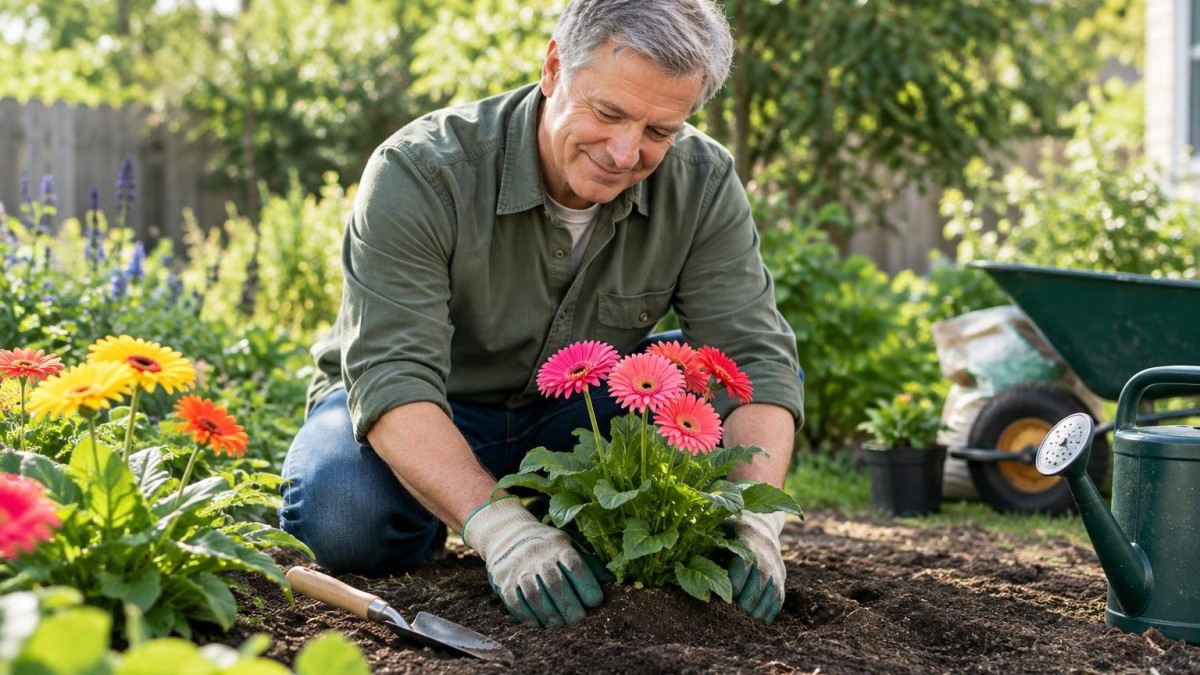
You can start with young plants, seeds, or cuttings. When transplanting nursery plants, dig holes slightly larger than the root ball. Position the plant so the crown sits level with the soil surface to avoid rot. Space plants 12 to 18 inches apart, ensuring good airflow and room to grow.
Watering and Feeding Routine
Gerberas prefer their soil to dry out a bit between waterings, so only water when the top inch feels dry. Use mulch around the base to conserve moisture and reduce weeds. Feed your plants every 4 to 6 weeks during the growing season with a balanced, slow-release fertilizer to support healthy blooms and foliage.
Maintaining Plant Health
Regular deadheading—removing spent flowers—encourages more blooms and stops the plant from putting energy into seed production. Trim any leggy stems or yellow leaves to keep your gerberas looking their best. Always use clean, sharp tools to prevent disease spread.
Managing Pests and Diseases
While gerberas are generally hardy, keep an eye out for aphids, spider mites, or fungal issues like powdery mildew. Ensuring plants aren’t overcrowded and have good air circulation helps prevent these problems. If pests or diseases occur, treat them quickly using suitable organic or chemical methods.
Winter Care for Gerberas
In colder climates, where frost can damage Gerberas, treat them as annuals or dig them up before frost arrives. Store plants indoors in a cool, dry spot with minimal watering to encourage dormancy. When temperatures warm again, replant outside to enjoy their vibrant blooms once more.
By following these practical planting, watering, feeding, and care tips, you can enjoy healthy gerberas that add bright, joyful color to your garden or indoor spaces year after year.