The Indigenous Legacy of Wild Blueberries: North America’s Native Superfood
Origins and Habitat
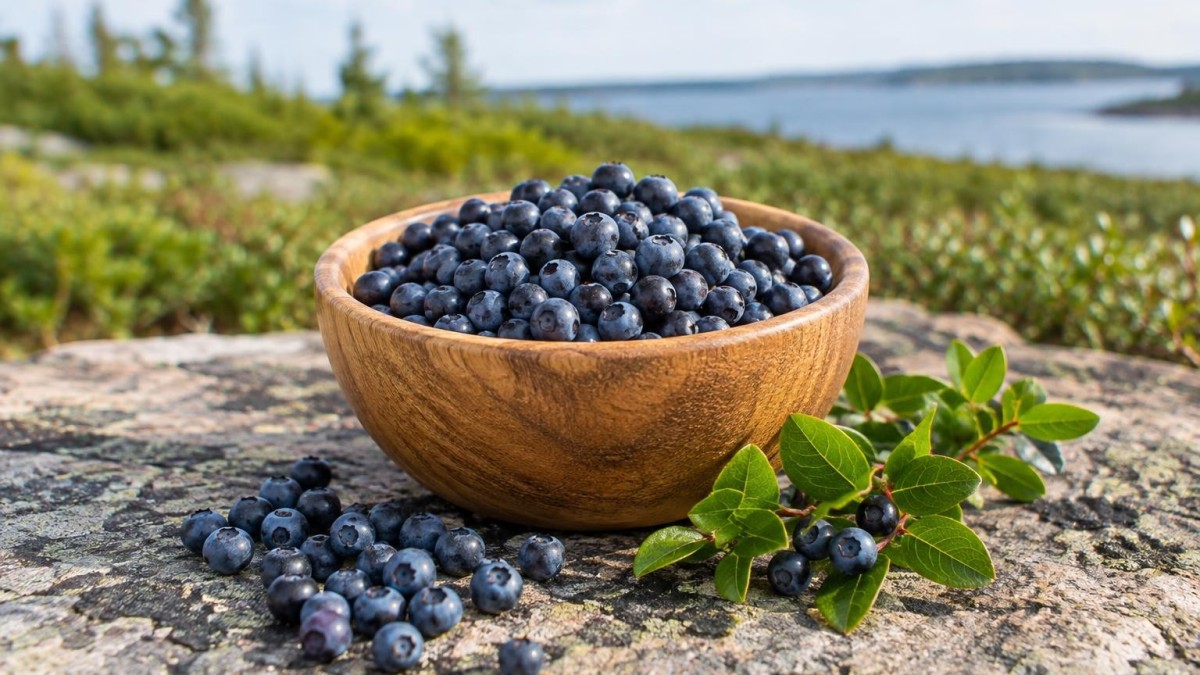
Wild blueberries have thrived for centuries in the eastern and northeastern parts of North America, flourishing naturally in Canada’s Atlantic provinces and the northern United States. These berries grow in wild fields and rugged terrain with acidic, rocky soils. Known botanically as lowbush blueberries, they are smaller than cultivated varieties but offer a richer and more intense flavor.
Cultural Significance in Indigenous Communities
For Indigenous peoples, wild blueberries hold deep cultural meaning beyond their nutritional value. Often called "star berries" because of the star-shaped marks on each fruit, they are seen as sacred gifts from the land, symbolizing renewal and sustenance. The summer harvest is traditionally a communal activity, centered around gratitude and respect for nature. Communities have long used sustainable handpicking methods to preserve the berry plants for future generations.
Flavor Profile and Culinary Uses Today
Wild blueberries are prized for their complex sweet-tart taste, complemented by subtle floral and earthy aromas. Their firm texture and naturally high antioxidants make them versatile in the kitchen, suitable for eating fresh or storing for later use. In Indigenous cuisine, they are enjoyed fresh or dried, incorporated into staples like pemmican and bannock. Nowadays, chefs and home cooks continue to celebrate wild blueberries, blending traditional heritage with modern recipes that highlight these native superfoods.
Recognizing the indigenous legacy of wild blueberries adds a meaningful layer to savoring this vibrant fruit. It reminds us that many familiar foods carry stories rooted in respect for the land and sustainable stewardship, passed down through generations and still flourishing in wild North American landscapes.