The Hidden History of Sunchokes: From Native American Roots to Modern Tables
From Native Roots to Today’s Plates
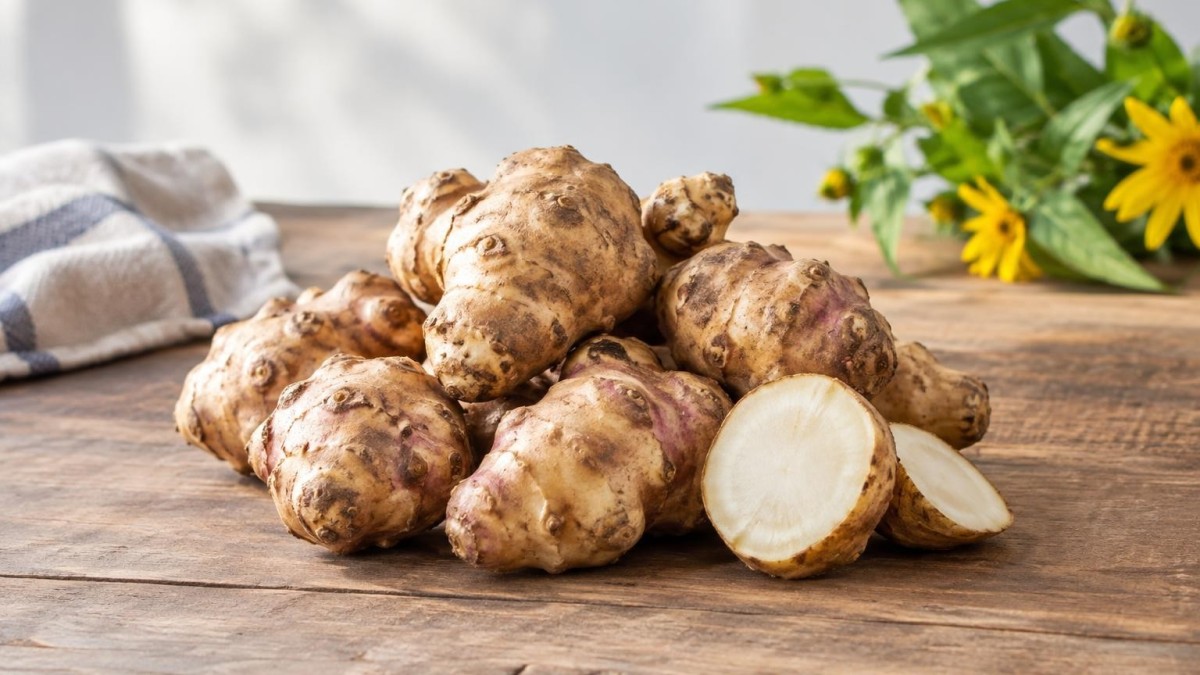
Sunchokes, also known as Jerusalem artichokes, have a storied history as a valued food source for Native American tribes, especially in the eastern regions of North America. These knobby tubers thrived in varied soils and climates, making them a reliable staple long before European settlers arrived. Though initially cultivated in indigenous gardens, sunchokes gradually found their way beyond native communities, adapting to different environments across North America and Europe.
Flavor, Varieties, and Culinary Uses
Raw sunchokes offer a refreshing crunch and a slightly nutty, sweet flavor, making them a great addition to salads. When roasted, their taste deepens to a rich, earthy sweetness, while pureed sunchokes create smooth, creamy soups. They’re even a popular low-starch alternative to potatoes in many recipes. Today’s cultivated sunchokes come in a range of colors, including white, gold, red, and purple, each bringing subtle flavor and texture variations.
Nutritional Benefits and Tips for Enjoyment
Besides their appealing taste, sunchokes are nutritious and rich in inulin, a prebiotic fiber that supports gut health. They contain important minerals like iron, potassium, and thiamin while remaining low in calories. Because inulin can sometimes cause digestive discomfort, it’s a good idea to introduce sunchokes gradually into your diet. Experimenting with different cooking methods, especially roasting or pureeing, can make them easier to digest and even more delicious.
Embracing sunchokes means enjoying not only their unique flavors and versatility but also a connection to a deep-rooted Native American heritage that has enriched kitchens for centuries.