Smart Ways to Organize Kitchen Cabinets and Maximize Storage Space
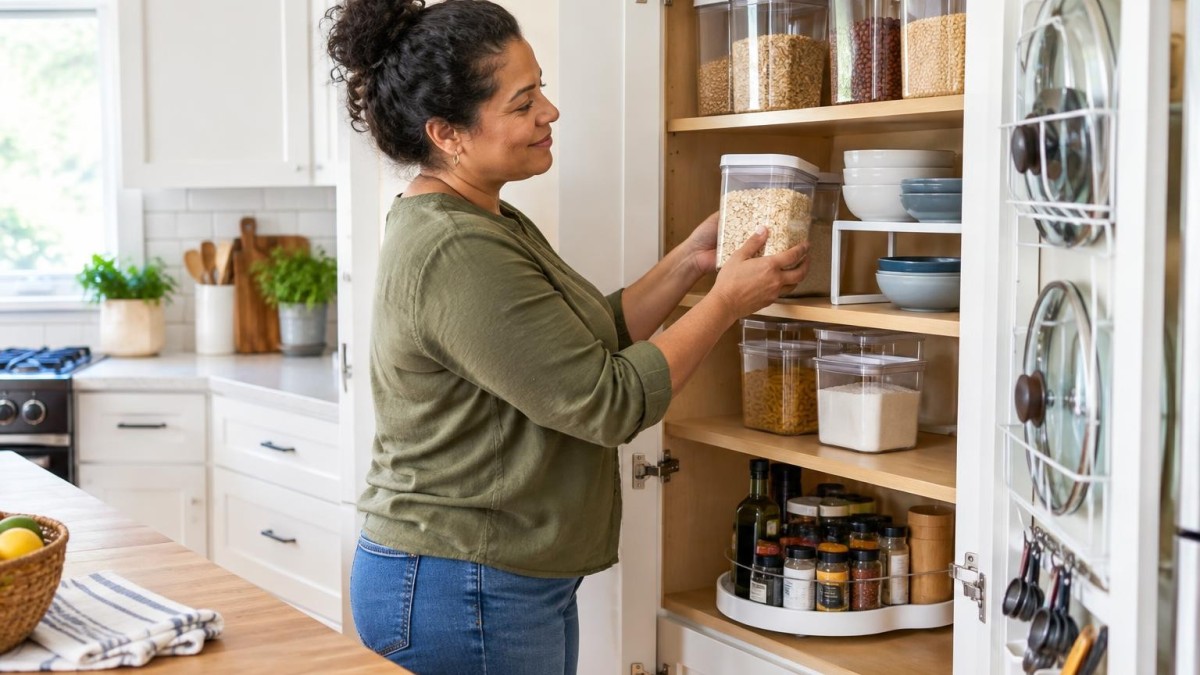
Opening a kitchen cabinet shouldn't feel like an obstacle course, with mismatched containers and hard-to-find items hidden behind clutter. The secret to a smoothly running kitchen often isn't more storage but smarter use of the space you already have.
Clear Out and Categorize
Begin by emptying one cabinet at a time, sorting through everything to decide what to keep, donate, toss, or relocate. You might find duplicates, unused gadgets, or expired pantry items hogging precious space. Being realistic about what you actually use regularly helps clear the way for a more functional kitchen. Donating extras, like seldom-used measuring cups, can lighten your load and help others.
After decluttering, wipe down your shelves before returning items.
Group and Place Items Thoughtfully
Arrange your belongings by category and frequency of use. Keep everyday dishes and glasses near the dishwasher or sink for easy unloading. Store cookware close to the stove, and place baking essentials near your main prep area. Creating zones for pots and pans, spices, storage containers, and pantry staples minimizes unnecessary trips around the kitchen.
Place daily-use items within easy reach, while seasonal or rarely used things can live on higher shelves.
Optimize Vertical and Hidden Spaces
Don't let vertical space go to waste. Adjustable shelf risers add extra levels, helping separate plates from bowls or mugs. Stackable organizers can maximize lighter items, while arranging taller things at the back of deep cabinets keeps everything visible.
Drawer dividers are lifesavers for controlling utensil clutter, creating custom compartments for silverware, gadgets, and large cooking tools. For deep drawers, vertical dividers organize lids, baking sheets, and cutting boards.
Corner cabinets often become problematic storage black holes. A lazy Susan or rotating shelf can bring spices or condiments into easy reach, and pull-out shelves in deep cabinets allow you to slide contents forward, reducing the need to reach awkwardly behind heavy pots or appliances.
Don’t forget cabinet doors — mounting small organizers or hooks on the inside can hold pot lids, measuring spoons, or cleaning supplies, making use of every nook without crowding shelves.
Smart Containers and Labeling
Clear, airtight containers help keep your pantry tidy and make it easy to spot when staples need replenishing. Just be sure to label containers clearly with their contents and expiration dates, especially if you transfer items from original packaging which might include important information.
Labeling shelves, bins, and containers fosters quick identification and easy cleanup for everyone in your household. Simple, readable labels work best, and removable tags offer flexibility for items you swap out regularly.
Maintain with Small Habits
Keeping your system functional requires little time weekly. Return misplaced items promptly, rotate pantry goods to use older items first, and tidy up shelves to prevent clutter buildup. If certain cabinets challenge your organization repeatedly, it might be time to rearrange what’s stored there to better fit your habits—like moving mugs closer to the coffee maker.
Tailoring Small Kitchens
Small kitchens especially benefit from thoughtful organization focused on accessibility. Prioritize everyday essentials in the cabinets you use most and stow seasonal or infrequently used items elsewhere. Careful use of vertical space can help, but avoid tall unstable stacks. Often, simplification and decluttering offer the biggest gains.
Building a kitchen that works well for you is about practical choices, not perfection or expensive accessories. Thoughtful grouping, clever use of space-saving tools like shelf risers, lazy Susans, dividers, and pull-out shelves, combined with regular upkeep, can transform your cabinets from cluttered to calm. With a bit of planning, your kitchen cabinets will support your daily routine more efficiently and stay organized longer.