How Ants Enter Your Home: Entry Points and Prevention Tips
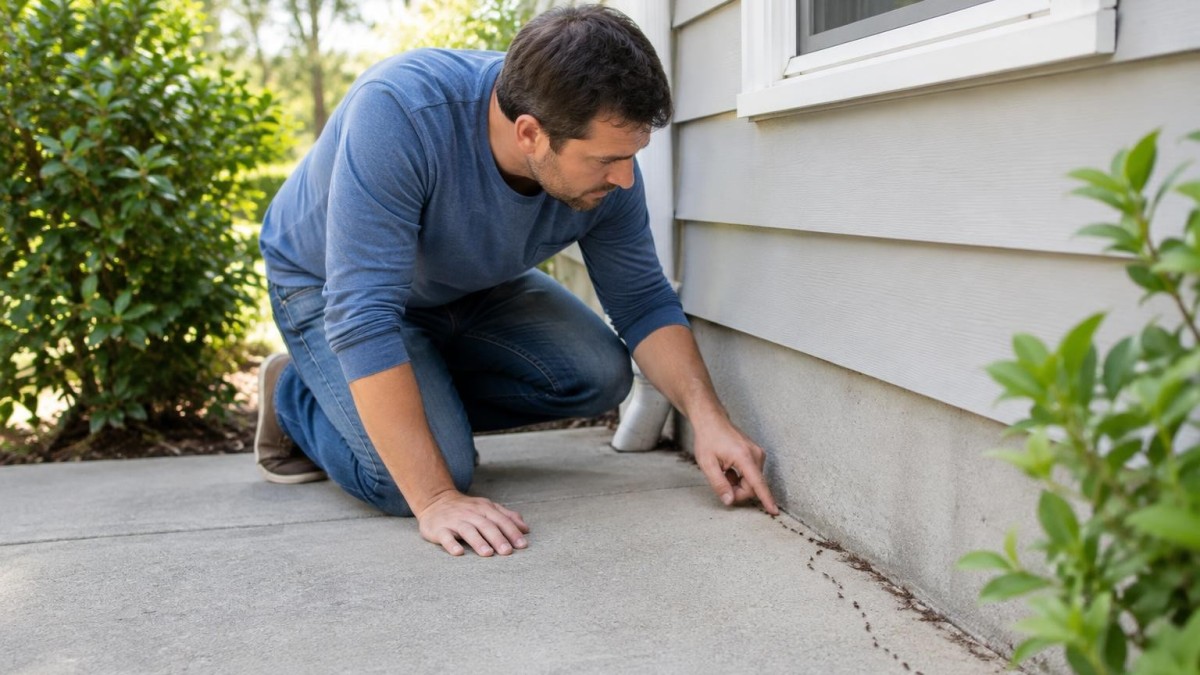
How Ants Sneak Into Your Home
Ants are common outdoor insects, but when they find enticing sources of food, water, or shelter inside your home, they can quickly turn from harmless visitors to persistent pests. Even a few ants on your countertop might be scouts from a nearby colony or a sign that nests have already formed indoors.
Unlike larger pests, ants don't need wide-open doors or windows to enter. They can squeeze through tiny cracks in foundations, gaps around plumbing, openings in siding, or even via tree branches touching your house. Some species will establish nests inside walls, under floors, or in wood damaged by moisture.
Sealing Tiny Cracks and Gaps
Small openings around your home's foundation, windows, doors, and where utilities enter can serve as easy access points for ants. Observing active ant trails can help you pinpoint exactly where they're coming in, making targeted sealing more effective.
Prevention Tip: Routinely inspect your home's exterior, especially around the foundation, window frames, door frames, siding, and utility lines. Seal cracks with weather-resistant caulk and replace worn weatherstripping to close off easy entry routes.
Keeping Food Sources Under Control
Food attracts ants more than anything else indoors. While sweets are well-known culprits, ants also seek out starches, fats, meats, and even pet food. Even tiny crumbs hidden under appliances or leftover residues in recycling bins can keep ants coming back. Once one ant finds food, it leaves a chemical trail that invites others.
Prevention Tip: Store all food, including pet food, in airtight containers. Clean kitchen counters and prep areas regularly, rinse recyclable containers before storing, and don't forget to sweep under appliances and clean trash areas to remove hidden crumbs and spills.
Managing Moisture and Wood Conditions
Ants need water and comfortable nesting conditions. Leaks under sinks, around tubs, or even slight moisture in basements and crawl spaces can attract pests. Carpenter ants, for example, favor damp, decaying wood for nesting.
Prevention Tip: Fix any leaks promptly to keep wood and surfaces dry. Improve ventilation in damp areas and replace severely moisture-damaged wood rather than just letting it dry out.
Watch Outdoor Landscaping That Connects Indoors
Branches and shrubs touching your house or roof can serve as bridges for ants. This is especially relevant for carpenter ants which nest outdoors in decaying wood but can travel indoors. Firewood piles and rotting wood near your foundation also invite these ants.
Prevention Tip: Trim back branches and shrubs so they don't touch your home's structure. Store firewood away from your house and remove rotting wood, stumps, or debris close by when possible.
Dealing with Ants Already Indoors
If ants have already invaded, resist the urge to spray them randomly. Killing only visible workers doesn't address the colony itself. Identification of the ant species is important because it guides effective control strategies. Ant baits are often more successful as ants carry the bait back to the nest, but don't expect immediate results. Avoid spraying insecticides around bait stations as this can interfere with the process.
Repeated sightings of carpenter ants or the presence of sawdust-like material around wood could indicate nests inside your home that may need professional help for removal.
Simple Daily Steps Make a Difference
Preventing ants usually means tackling several factors: sealing even minor entry points, storing food properly, cleaning crumbs and spills promptly, trimming vegetation away, and fixing moisture problems. Approaching it from an ant’s perspective—seeing where they can enter, find food, or water—can help you keep these persistent pests at bay.