What Sparked the Popularity of the Flapper Dress in 1920s America?
Breaking Free with Fashion
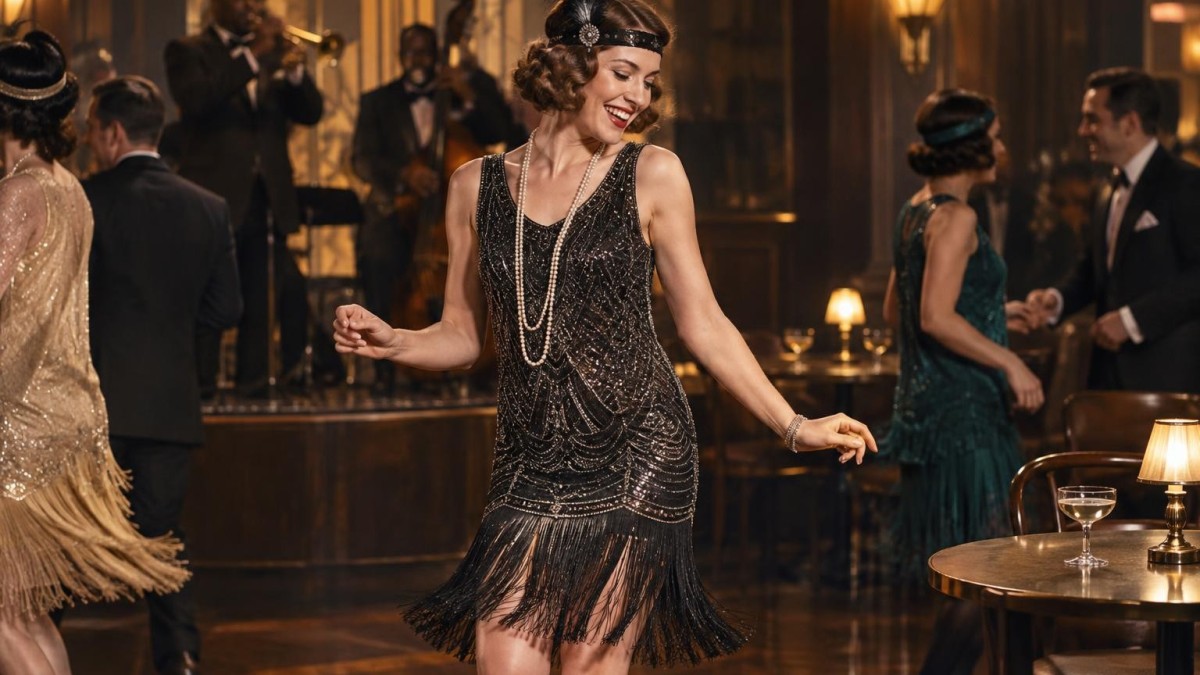
In the vibrant urban landscapes of 1920s America, particularly in cities like New York and Chicago, the flapper dress emerged as a symbol of youthful rebellion and newfound freedom. These dresses were worn by young women, nicknamed "flappers," who embraced a style that was strikingly different from the fashions of previous generations. The flapper dress featured a dropped waistline, loose fit, and shorter hemlines, creating a silhouette that allowed for ease of movement and comfort—an intentional departure from the restrictive corsets and elaborate gowns women had worn before.
Reflecting Social Change and Jazz Influence
This style was deeply intertwined with the social changes of the era. Following World War I, women gained the right to vote and began to challenge traditional norms, expressing their independence through both behavior and dress. Jazz culture, which was gaining tremendous popularity during the Roaring Twenties, played a key role in shaping the flapper look. The energetic rhythms of jazz music inspired lively dances like the Charleston, and the flapper dress was perfectly suited for these: often adorned with beading and fringe, it accentuated movement and shimmered under the lights of dance halls and speakeasies.
The overall ensemble often included bold makeup, finger wave hairstyles, and striking accessories, further emphasizing the carefree, spirited attitude of flappers. These dresses weren't just everyday wear; they were primarily evening attire that embodied the excitement and rebellion of the decade's nightlife.
More than just a fashion trend, the flapper dress captured the essence of a cultural shift, symbolizing women's growing independence and a break from past conventions. Its legacy endures as a representation of the dynamic spirit of the 1920s and the beginnings of modern women's fashion.