What Causes Pale Gums in Dogs: Understanding the Underlying Issues
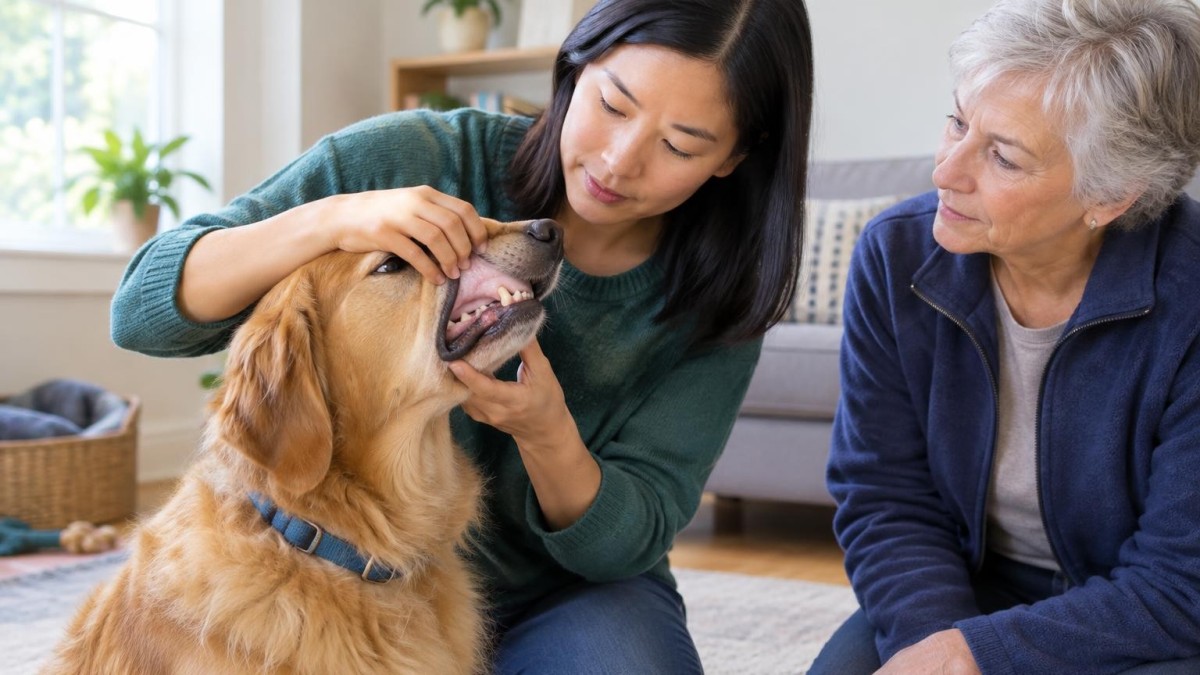
Why Pay Attention to Gum Color?
Checking your dog's gum color can be an easy and effective way to gauge their overall health. Normally, healthy gums are a vivid pink, reflecting good blood flow and oxygen levels. If you notice your dog's gums looking pale, it could signal a deeper health issue that shouldn’t be overlooked.
Common Causes of Pale Gums in Dogs
One main cause of pale gums is anemia, a condition where red blood cells are low or unable to carry enough oxygen. Anemia can arise from blood loss due to injuries, parasites like ticks or fleas, nutritional shortfalls (such as iron or vitamin B12 deficiencies), or chronic illnesses like kidney disease or cancer. Noticing pale gums should prompt a vet checkup to identify and manage the root cause.
Shock is a serious condition where blood pressure drops suddenly, reducing blood circulation to vital organs and resulting in pale gums. This can be triggered by trauma, infections, or severe allergic reactions. Other signs include weak pulse, collapse, or rapid breathing—immediate veterinary help is essential in these cases.
Dehydration can also cause gums to appear pale by lowering blood volume and circulation. It often results from hot weather, insufficient water intake, or illnesses causing vomiting or diarrhea. Ensuring your dog stays hydrated and observing their water consumption helps prevent this issue.
Heart disease may impact gum color as it reduces blood and oxygen flow. Some heart conditions common in older dogs or certain breeds can cause pale gums along with coughing or exercise intolerance. If your dog shows these signs, a vet can assess heart health and recommend treatments.
Exposure to toxins—whether from household chemicals, poisonous plants, or wrong medications—can also lead to pale gums, sometimes with vomiting or seizures. Immediate veterinary assistance or poison control consultation is critical if ingestion of something harmful is suspected.
What You Can Do
Noticing pale gums is a valuable warning sign to take action quickly. Along with gum color changes, look out for other symptoms and seek veterinary advice promptly. Regular vet visits combined with attentive observation help keep your dog healthy and happy.