Understanding Common Causes of Firearm Malfunctions
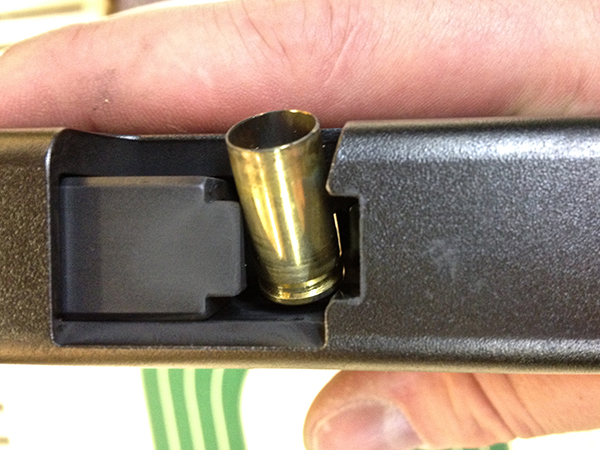
Firearms are complex mechanical devices designed to operate reliably, but malfunctions can still occur. Ammunition problems, worn or damaged components, neglected maintenance, and magazine issues can all contribute to a failure.
For firearm owners, the most important consideration when a malfunction occurs is not trying to diagnose or fix it quickly. Treat a firearm that does not behave as expected as potentially loaded, and handle it according to established firearm-safety practices and the manufacturer's instructions.
Here are some common causes of firearm malfunctions and important safety considerations.
- Ammunition Problems
Ammunition can contribute to a variety of malfunctions. Cartridges may be damaged, contaminated, improperly stored, or otherwise defective. Older ammunition can also present problems, particularly if it has been exposed to unfavorable storage conditions.
A misfire occurs when a cartridge does not fire after the trigger is activated. A hangfire involves a delay between the expected ignition and the cartridge actually firing. A squib load occurs when a cartridge produces insufficient force to propel the projectile normally.
These situations can be dangerous because a firearm may not behave as expected. If a cartridge fails to fire or something about the firing cycle seems unusual, follow the firearm manufacturer's safety instructions and established training for handling a suspected malfunction. Do not assume that a firearm is safe simply because it did not fire.
Use ammunition appropriate for the firearm and store it according to the manufacturer's recommendations. Do not use cartridges that are visibly damaged, corroded, contaminated, or otherwise questionable. - Firing Mechanism Problems
The firing mechanism contains components that must function correctly for a firearm to operate as designed. Wear, damage, contamination, or a mechanical defect can cause failure to fire or other abnormal behavior.
Because the firing mechanism directly initiates a shot, do not treat suspected problems as routine maintenance. A firearm that has a damaged, broken, or otherwise questionable internal component should be inspected by a qualified gunsmith or other appropriately trained professional.
Do not attempt to modify, bend, reshape, or otherwise alter internal firearm components to correct a malfunction. Improvised repairs can create additional safety risks. - Extractor and Ejector Problems
Some firearm malfunctions involve the components that remove a spent cartridge case from the chamber. Wear, damage, debris, or other mechanical problems can interfere with normal operation.
If a firearm fails to extract or eject, stop and assess the situation rather than repeatedly attempting to operate it. If the cause is not immediately clear, consult the owner's manual or have a qualified professional examine the firearm.
This is especially important when a cartridge case appears damaged, something seems obstructed, or the firearm feels or sounds different from normal. - Magazine-Related Problems
Magazines are another potential source of feeding problems. Damaged magazines, worn components, contamination, or other mechanical issues can affect how the firearm presents ammunition.
Do not force a magazine that is visibly damaged or behaving abnormally into continued use. Follow the manufacturer's guidance for inspection and replacement, and have a qualified professional evaluate persistent problems.
Keep in mind that a magazine is a separate component from the firearm itself. A recurring feeding problem does not necessarily mean the firearm has an internal mechanical defect. - Lack of Maintenance
Like other mechanical equipment, firearms require appropriate care. Dirt, debris, corrosion, excessive fouling, and normal component wear can affect operation over time.
Always follow the firearm manufacturer's instructions. Different firearms have different maintenance requirements, and using too much lubricant, the wrong product, or an inappropriate cleaning method can create its own problems.
Regular inspection also helps you spot obvious concerns such as corrosion, damaged components, or unusual wear. If anything looks broken or differs from the manufacturer's specifications, stop using the firearm until it can be properly evaluated. - Improper Storage or Handling
Storage conditions can affect both the firearm and its ammunition. Excessive moisture can contribute to corrosion, while unsuitable storage conditions may damage ammunition over time.
Store firearms securely and in accordance with applicable laws, manufacturer recommendations, and established safety practices. Store ammunition appropriately and separately when required by the manufacturer's guidance or local regulations.
Safe storage matters not only to prevent unauthorized access but also to preserve the equipment's condition.
When a Malfunction Occurs
The safest response to an unexpected firearm malfunction is to avoid improvising. Keep the firearm pointed in a safe direction, keep your finger away from the trigger, and follow the safety procedures provided by the manufacturer and your qualified firearms instructor.
If you are uncertain about what happened, do not continue using the firearm simply to see whether the problem happens again. A qualified gunsmith can determine whether a mechanical problem needs attention.
Firearm malfunctions can have serious consequences, so prevention begins with appropriate ammunition, proper storage, manufacturer-recommended maintenance, and regular safety training. Just as importantly, knowing when to stop and seek professional help is part of responsible firearm ownership.